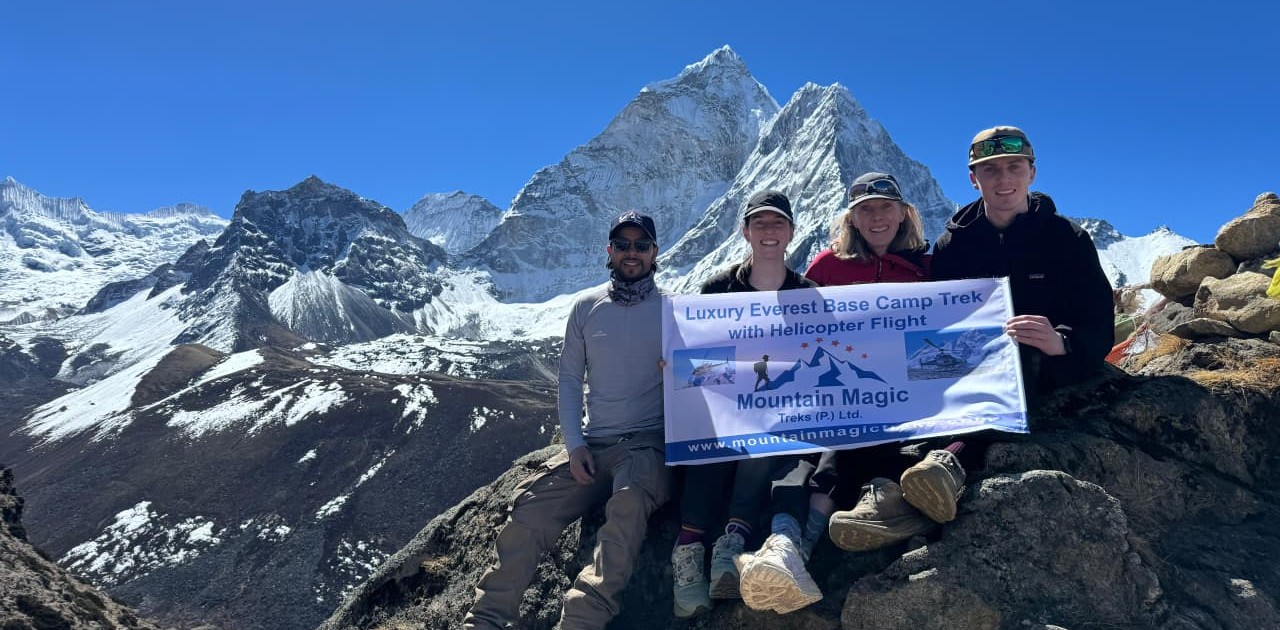
Walking toward Everest Base Camp is a dream for many travelers. But the experience is not only about reaching a famous place. It is also about learning how to handle long walking days, changing weather, simple mountain life, and high altitude.
The Everest Base Camp Trek with helicopter return gives travelers the chance to enjoy the classic Everest journey while ending the adventure with an exciting flight. Good preparation can help you feel more comfortable and enjoy each part of the trip.
Build Your Fitness Before Leaving Home
You do not need to become a professional athlete before visiting the Everest region. However, your body should be ready for several hours of walking on many days.
Start with simple activities that you can do regularly. Walking, hiking, stairs, and light cardio can all help improve your stamina.
Focus on Endurance
Long-distance walking is different from a short workout. Try taking longer walks on weekends and slowly increase the distance.
If you live in a flat area, stairs can also be useful. They help your legs get used to repeated climbing and descending.
Learn to Walk With a Comfortable Rhythm
Once you reach the trail, there is no prize for being the fastest person in the group.
A comfortable pace is more useful than rushing for the first few hours and becoming exhausted later. Take short breaks when needed and keep your breathing relaxed.
The Everest Base Camp Trek with helicopter return involves different types of terrain, so your pace may naturally change from one section to another.
Prepare Your Feet First
Your feet do a lot of work during a Himalayan trek. Small problems such as blisters can become very annoying when you still have several walking days ahead.
Wear your trekking shoes before the trip. This gives your feet time to get used to them.
Keep Socks Comfortable
Carry several pairs of good trekking socks. Change them when they become wet or uncomfortable.
You can also carry blister protection in your personal first-aid kit. A little preparation can prevent a small foot problem from becoming a major distraction.
Choose Clothing That Works in Layers
Mountain temperatures can change during the day. You may start walking in cool conditions and later feel warmer while climbing.
Instead of relying on one very thick piece of clothing, use several layers. This makes it easier to adjust your clothing as conditions change.
A useful basic system can include:
- A comfortable base layer
- A warm middle layer
- A protective outer jacket
- Warm gloves
- A hat
- Comfortable trekking pants
Keep an extra layer easy to reach inside your daypack.
Give Yourself Time to Adjust
Altitude is one of the most important things to understand before an Everest trek.
As you move higher, the air contains less oxygen. Your body needs time to adapt, which is why a well-planned itinerary includes time for acclimatization.
Do Not Ignore Warning Signs
If you develop a headache, unusual dizziness, nausea, serious weakness, or breathing problems, tell your guide.
Do not assume that feeling unwell is something you simply have to tolerate. Your guide can help you decide what to do next.
Drink Regularly During the Day
You may not always feel thirsty while walking in cool mountain weather. Even so, regular hydration is important.
Carry enough water for your walking day and take small drinks throughout the journey.
Warm drinks can also feel comforting during breaks, especially when the temperature drops.
Be Ready for Simple Accommodation
Mountain tea houses are part of the experience. They are not the same as city hotels, and travelers should expect a simpler style of accommodation.
Rooms and facilities can be basic, but the atmosphere can be memorable. You may meet trekkers from different countries and share stories about the trail.
Bringing small personal comfort items, such as earplugs or a sleep mask, can make your evenings easier.
Protect Your Energy Around the Highest Sections
The higher parts of the route can feel very different from the lower villages. Walking may become slower, and even simple tasks can require more effort.
Do not waste energy trying to prove how strong you are. Save your strength for the important parts of the journey.
The goal is to arrive at Everest Base Camp feeling ready to enjoy the moment rather than completely exhausted.
Keep Your Important Items Close
Your daypack should contain the things you may need while walking.
Keep items such as your phone, documents, water, sunscreen, sunglasses, medicines, and an extra layer easy to access.
You should not have to unpack your entire bag whenever you need something small.
Understand the Helicopter Return
One of the biggest attractions of the Everest Base Camp Trek with helicopter return is the different way you finish the adventure.
After completing the walking portion, the helicopter offers an aerial view of the landscapes you have spent days exploring on foot.
However, flights in mountain areas can be affected by weather and operating conditions. Travelers should keep their plans flexible and understand that a delay is possible.
Take Care of the Trail
The Everest region is a beautiful and sensitive environment. Travelers can help protect it through simple choices.
Carry reusable bottles, avoid unnecessary plastic, use waste bins when available, and never leave wrappers or other rubbish along the trail.
Respect local customs as well. The villages, monasteries, prayer flags, and traditional buildings are part of a living community, not simply tourist attractions.
Final Thoughts
The Everest Base Camp Trek with helicopter return can be an unforgettable adventure, but preparation should begin before you reach Nepal.
Build your walking endurance, choose comfortable gear, understand altitude, stay hydrated, and learn to manage your energy. Most importantly, remain patient when the trail becomes demanding or plans change because of mountain conditions.
When you prepare well, you can spend less time worrying about small problems and more time enjoying the mountains, villages, people, and incredible journey toward Everest Base Camp.
Frequently Asked Questions
How fit do I need to be for the Everest Base Camp Trek with helicopter return?
You should have reasonable fitness and be comfortable with several hours of walking. Regular walking and hiking before the trip can help prepare your body.
Should I buy new trekking shoes before the trip?
You can buy new shoes, but break them in before starting the trek. Wearing completely new footwear on the trail can increase the chance of blisters and discomfort.
Why is acclimatization important?
Acclimatization gives your body time to adjust to higher elevations. It is an important part of managing the physical demands of an Everest trek.
Can weather affect the helicopter return?
Yes. Mountain weather can change quickly, and helicopter operations depend on suitable flying conditions. Delays or schedule changes may sometimes be necessary.
What is the most important thing to pack?
There is no single item that matters most. Comfortable footwear, suitable layers, water, personal medicines, sun protection, and a practical daypack are all important.
Is the helicopter return worth adding to the trek?
For travelers who want to experience the classic walking route without trekking back the same way, the helicopter return can provide a memorable and scenic finish.