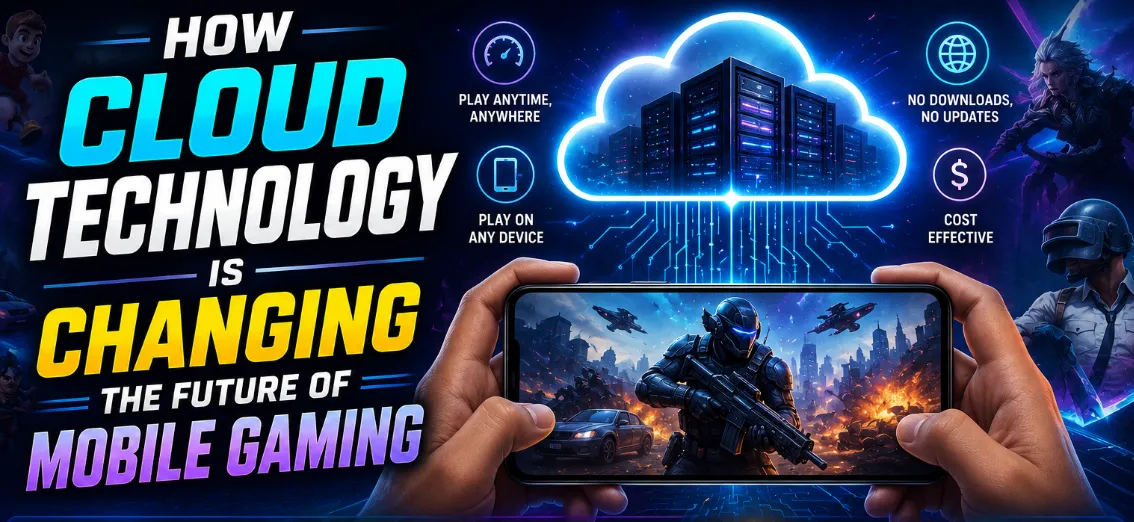
Mobile gaming has come a long way from simple downloads and clunky updates. These days, cloud technology is rewriting the rules, and players are noticing the difference every time they open an app. If you’ve spent any time on QQ2 Game, you’ve probably already felt this shift without even realizing it.
Let’s break down what’s actually happening behind the scenes and why it matters for anyone who games on their phone.
What Cloud Technology Actually Does for Gaming
Cloud technology moves the heavy lifting away from your phone and onto powerful remote servers. Instead of your device doing all the processing, the cloud handles it and streams the results straight to your screen.
This means:
- Games load faster, even on older phones
- You don’t need tons of storage space
- Updates happen instantly without long download waits
- Your progress saves automatically across devices
For platforms like QQ2, this kind of setup makes a real difference. Players can jump between a phone and a tablet without losing a single bit of progress.
Why QQ2 Game Feels So Smooth
If you’ve noticed how quickly QQ2 Game loads or how little lag you run into, that’s not an accident. Cloud-based infrastructure handles the data processing in real time, which cuts down on the delays that used to plague mobile games.
A few years back, mobile games would freeze or crash when too many players logged in at once. Cloud servers fixed a lot of that by spreading the load across multiple machines instead of relying on one overworked server.
This is part of why QQ2 has built such a loyal following. The experience stays consistent whether you’re playing during a quiet afternoon or a busy weekend night.
Cross-Device Play Is Now the Standard
One of the biggest wins from cloud technology is the ability to switch devices without missing a beat. Start a game on your phone during your commute, then pick it up on a tablet at home, and everything is exactly where you left it.
This wasn’t really possible before cloud storage became common. Game data used to live only on the device you played on. Lose your phone, lose your progress.
Now, with cloud-based systems:
- Your account data syncs in real time
- You can switch between Android and iOS without issues
- Game settings and preferences carry over automatically
It’s a small thing that makes a huge difference in how people actually use their time.
Lower Storage Demands, Bigger Game Worlds
Phones only have so much storage, and big game files used to eat up all of it fast. Cloud technology changes that equation completely.
Instead of storing massive game files locally, much of the content streams directly from the cloud. This opens the door for richer graphics, bigger maps, and more detailed gameplay without forcing players to clear out their photo albums just to fit a new game.
Top One Game has leaned into this approach too, building experiences that would have been impossible on older mobile setups. You get console-quality visuals without needing a phone with massive internal storage.
Better Security Without the Hassle
Cloud platforms also handle security in ways individual devices simply can’t match. Game companies can monitor for suspicious activity, patch vulnerabilities, and protect player data from a central system rather than relying on each device to stay updated.
This matters more than people realize. A lot of mobile games handle in-app purchases, personal information, and account logins. Cloud-based security keeps that information safer and reduces the chances of data getting compromised.
Multiplayer Gaming Gets a Major Upgrade
Cloud servers have completely changed what’s possible with multiplayer mobile games. Real-time matchmaking, voice chat, and live leaderboards all depend on fast, reliable cloud connections.
Without this infrastructure, multiplayer games would lag constantly or struggle to keep dozens of players in sync. Cloud technology solves this by processing game data on powerful remote servers instead of forcing each phone to handle everything alone.
This is a big part of why competitive mobile gaming has exploded in popularity. Players expect smooth, fair matches, and cloud computing makes that possible at scale.
What This Means for the Future
Mobile gaming isn’t slowing down anytime soon, and cloud technology is only going to play a bigger role going forward. We’re likely to see:
- Even faster load times as 5G networks expand
- More games that don’t require any local installation at all
- Smarter matchmaking powered by cloud-based AI
- Continued growth in cross-platform play
Games like QQ2 Game are already showing what’s possible when cloud infrastructure is built into the foundation rather than added as an afterthought. As more developers adopt this approach, players can expect mobile gaming to keep feeling faster, smoother, and more connected than ever.
If you check out platforms similar to Top One Game, you’ll notice the same pattern. The companies investing in cloud technology now are the ones setting the pace for everyone else.
Final Thoughts
Cloud technology isn’t some far-off concept anymore. It’s already shaping how people play games on their phones every single day. From faster loading to better multiplayer experiences, the impact is real and growing.
Whether you’re a casual player or someone who games for hours at a time, this shift benefits you directly. And as more platforms adopt cloud-first designs, the gap between mobile gaming and traditional console gaming keeps shrinking.