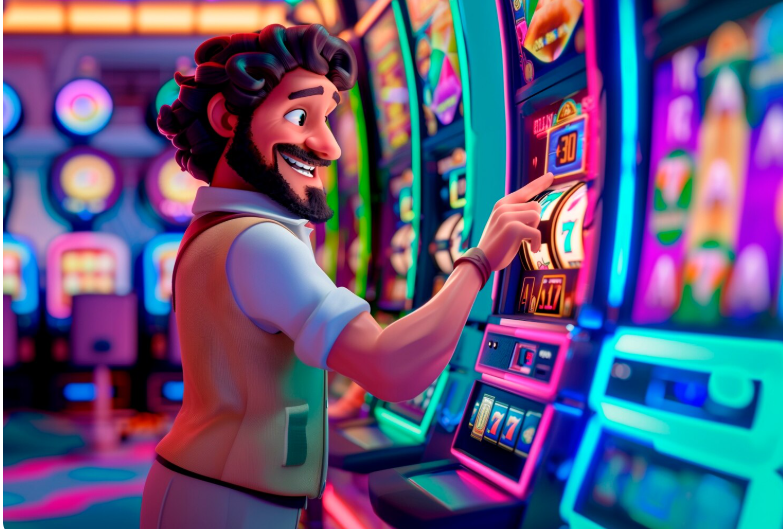
A decade ago, gaming was often seen as a solitary hobby. Someone sat in a room with a console or a computer, immersed in a digital world, largely disconnected from others. But something remarkable has happened over the years. Gaming has evolved into a powerful social experience. Today, players don’t just play—they connect, collaborate, and build communities that stretch across continents.
From small discussion groups to massive global forums, the growth of the slot212 culture has transformed how people interact with entertainment. Behind every screen name is a person, a story, and often a group of friends who share the same passion.
So how did these communities grow so quickly? And why do they matter so much to players today?
How the Online Game World Became Social
In the early days of digital gaming, interaction was limited. Players might compete with someone sitting next to them or share tips on small forums. That was about it. Then high-speed internet arrived, and everything changed.
Suddenly, players could connect instantly with people thousands of miles away. A teenager in Asia could team up with someone in Europe. A working professional in North America could unwind with friends in Australia. Gaming sessions became global meetups.
But technology alone didn’t create communities. Players did.
They formed guilds, clans, and teams. They built fan pages and created strategy guides. Soon, entire ecosystems formed around shared interests. What started as simple game sessions turned into lasting friendships.
Have you ever joined a match expecting a quick round, only to end up chatting with strangers for hours? That’s the magic of these communities.
Online Game Communities Create Real Friendships
One of the most surprising aspects of modern gaming is how genuine the relationships can become. At first, players connect for a simple reason: they enjoy the same game. Yet over time, those interactions grow deeper.
A squad that regularly plays together learns each other’s habits. Someone is always the strategist. Another teammate keeps morale high with jokes. Someone else becomes the dependable problem-solver.
Gradually, the conversation shifts beyond the game. People talk about school, work, travel plans, or life challenges. What started as a digital alliance becomes a real friendship.
There are countless stories of players meeting years later in person. Some travel across countries to attend tournaments together. Others celebrate birthdays through video calls while playing their favorite matches.
These stories show that gaming communities are more than entertainment networks. They are social spaces where people belong.
Shared Experiences Strengthen Global Connections
Think about the excitement of a difficult mission finally completed after hours of teamwork. Or the thrill of a last-second victory that leaves everyone shouting into their headsets. Moments like these create powerful memories.
Shared victories and defeats bond people together.
In many ways, gaming communities mirror traditional sports teams. Players support each other, analyze mistakes, and celebrate progress. The difference is that distance no longer matters.
Someone living in a small town can still feel part of a massive international group. Time zones blur as players schedule sessions to stay connected.
Interestingly, these groups often become cultural exchanges as well. Players share slang, music, and traditions from their home countries. Conversations drift from gameplay strategies to discussions about food, holidays, or local events.
Without realizing it, many players gain a global perspective simply through gaming.
The Role of Streaming and Content Creation
Community growth accelerated dramatically when streaming platforms entered the picture. Suddenly, gaming wasn’t limited to the players themselves. Anyone could watch, learn, and join the conversation.
Streamers built audiences who gathered in live chats during broadcasts. Viewers discussed tactics, shared reactions, and sometimes became close friends despite never meeting.
This created a new type of community—one centered not only around a game but around personalities and shared experiences.
Content creators also contributed by posting tutorials, funny highlights, and strategy breakdowns. These videos helped beginners feel welcome. Instead of struggling alone, new players could learn directly from experienced fans.
Communities became more accessible, more inclusive, and far more vibrant.
Why Online Game Communities Matter Today
In a fast-paced world where people often feel isolated, these communities provide something valuable: connection.
Many players log in after a long day not just to play, but to talk with friends they trust. The game becomes a gathering place. Conversations flow naturally while missions unfold on screen.
For some, these groups provide confidence and belonging that might be difficult to find elsewhere. A quiet player in real life might lead a team during gameplay. Someone struggling with stress might find relief in a supportive squad.
The beauty lies in the simplicity. People connect over shared interests, encourage each other, and create memories together.
And perhaps that’s why the influence of the online game world continues to expand. It’s not just about competition or entertainment anymore—it’s about community.
Looking Ahead
What does the future hold for gaming communities? If current trends continue, these networks will only grow stronger.
Virtual reality, immersive worlds, and more advanced communication tools are already changing how players interact. The line between digital and real social spaces is becoming thinner every year.
Yet one thing will likely remain the same: people will continue seeking connection.
Whether through teamwork, friendly rivalry, or late-night conversations after a long match, gaming communities bring people together in ways few other hobbies can.
And who knows? The next time you join a session, the teammate helping you through a tough level might just become a lifelong friend.
So the next time you log in, take a moment to chat, collaborate, and explore the community around you. You might discover that the most rewarding part of gaming isn’t the victory—it’s the people you meet along the way. 🎮
