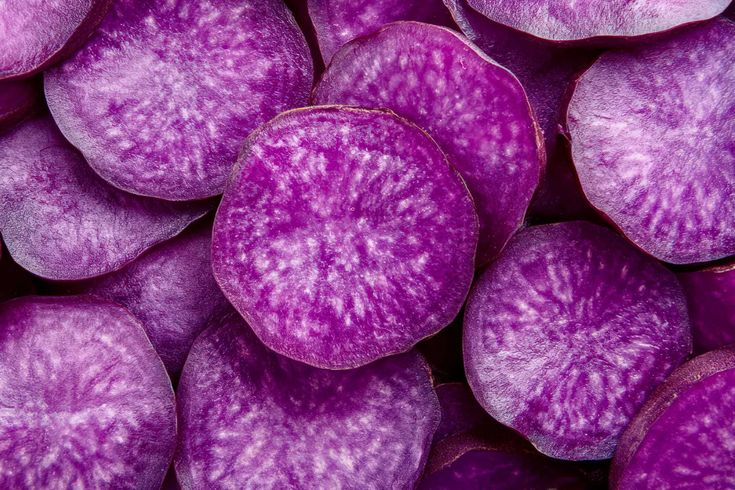
Ube, the famous purple yam from Southeast Asia, has moved far beyond colorful desserts and trendy drinks. Its naturally vibrant purple flesh hides a surprisingly rich nutritional profile that attracts nutrition experts, athletes, food lovers and people searching for more natural ingredients. The texture is soft, slightly creamy, with a flavor that sits somewhere between vanilla and sweet potato. One spoonful often feels like opening a small treasure chest of nutrients.
What makes purple yam nutrition interesting is not only the taste. Ube contains fiber, complex carbohydrates, antioxidants and several micronutrients that participate in normal body functions. Many people associate brightly colored foods with processed products, yet the intense color of ube comes from natural compounds called anthocyanins. These pigments are also found in blueberries and purple cabbage.
Its growing popularity has also increased interest in products such as ube purple yam powders, frozen purées and healthy snacks designed for balanced eating habits. Nutrition specialists often appreciate ube health benefits because the ingredient can fit both comfort foods and nutrient focused meals without feeling restrictive.
The body reacts differently depending on how ube is prepared. Fried desserts loaded with sugar do not create the same nutritional effects as steamed ube, homemade purée or blended smoothies. Preparation matters. Portion size matters too. Still, when used properly, ube for daily wellness can become an interesting addition to a varied diet that supports energy, digestion and overall nutritional balance.
Why ube attracts attention in nutrition?
The first reason is simple, ube contains complex carbohydrates that provide a more stable energy release compared to heavily refined sugary snacks. Many people experience energy crashes during the day because meals rely too much on simple sugars. Ube offers a softer and steadier source of fuel for the body.
Fiber also plays a major role. A serving of ube can contribute to better digestive comfort because dietary fiber helps support intestinal regularity. People who struggle with unbalanced eating patterns often underestimate the importance of fiber intake. The digestive system behaves like a crowded highway during rush hour. Fiber helps traffic move more smoothly.
Anthocyanin antioxidants are another major point of interest. These compounds help protect cells from oxidative stress produced by pollution, stress, intense physical activity and normal metabolic processes. Scientists continue studying the long term effects of antioxidant rich foods, though nutrition experts already encourage a varied intake of naturally colorful ingredients.
Ube also contains:
-
potassium
-
vitamin c
-
dietary fiber
-
complex carbohydrates
-
natural antioxidants
The potassium content supports normal muscle and nerve function. This matters for active individuals, especially people who train regularly or experience fatigue linked to poor nutritional balance. Vitamin C participates in several essential processes, including immune support and collagen production.
Another interesting aspect is satiety. Foods rich in fiber and complex carbohydrates may help people feel satisfied for longer periods. This can reduce constant snacking behaviors driven by highly processed foods. Ube itself is not a miracle ingredient, though it fits well inside balanced eating habits focused on whole foods.
Its versatility also explains the enthusiasm around it. Ube can appear in smoothies, soups, breakfast bowls, pancakes or savory dishes. Unlike certain health trends that disappear quickly, ube adapts naturally to many cuisines and cooking styles.
What happens inside the body when you eat ube?
Digestion begins reacting almost immediately because ube fiber content slows down the absorption of carbohydrates. This slower digestive process may help maintain more stable energy levels during the day. Meals that digest too rapidly often leave people hungry again shortly afterward.
Complex carbohydrates are broken down gradually into glucose, which the body uses for energy. That slower conversion explains why many nutrition specialists prefer whole root vegetables over heavily refined snacks. The body usually handles them more efficiently when portions remain balanced.
Ube antioxidants also interact with oxidative stress mechanisms inside the body. Oxidative stress occurs naturally through metabolism, though factors such as smoking, poor sleep, pollution and stress can increase it. Antioxidants help neutralize unstable molecules called free radicals.
Blood sugar response depends greatly on preparation methods. Plain steamed ube behaves differently from deep fried pastries filled with sugar and cream. Pairing ube with protein or healthy fats can also influence digestion speed and satiety levels.
Digestive comfort and gut balance
The digestive system benefits most when ube is consumed in minimally processed forms. Steamed cubes, mashed ube or homemade smoothies preserve more fiber than ultra processed snacks. Fiber acts like nourishment for beneficial gut bacteria, which participate in digestion and several metabolic functions.
Many people associate digestive wellness only with probiotics. Fiber matters just as much. Without enough fiber, beneficial bacteria struggle to thrive properly. Ube contributes to this balance naturally.
Gut health and ube also connect through meal satisfaction. Foods rich in fiber usually promote slower eating patterns because they create more texture and fullness. This may help some individuals avoid overeating highly processed foods during the day.
Digestive tolerance still varies between individuals. Large portions may create bloating in sensitive people, especially when fiber intake increases suddenly. Gradual integration often works better for long term comfort.
Energy support without excessive heaviness
People searching for stable energy often focus entirely on caffeine. Nutrition influences energy much more deeply. Ube provides slow release carbohydrates that support physical and mental activity without the rapid spikes linked to sugary snacks.
Athletes sometimes appreciate root vegetables because they replenish glycogen stores after exercise. Ube can serve this role while also delivering antioxidants and micronutrients. The texture is satisfying without feeling excessively heavy when portions remain moderate.
Morning meals using ube may help support longer satiety compared to refined breakfast pastries. An ube oatmeal bowl with nuts and yogurt creates a more balanced combination of carbohydrates, protein and healthy fats.
Its natural sweetness also helps reduce dependence on heavily sweetened products. Many recipes require less added sugar because ube already brings flavor and creamy texture on its own.
Can ube fit into weight conscious eating habits?
Yes, though context matters more than trends. Healthy ube recipes can support balanced eating habits because the ingredient contains fiber and naturally satisfying carbohydrates. Problems usually appear when recipes transform ube into sugar heavy desserts loaded with syrups and processed toppings.
Weight management depends on total dietary balance, physical activity, sleep quality and consistency over time. No single food controls body composition alone. Ube simply offers qualities that may support healthier eating patterns.
One advantage comes from satiety. Fiber rich foods often reduce the urge to snack constantly between meals. People who feel satisfied tend to maintain more stable eating habits.
Portion awareness still remains important. Even nutritious foods contain calories. Moderation allows people to enjoy flavorful ingredients without creating excess intake. The goal is balance, not restriction.
Good examples of balanced ube meals include:
-
ube smoothie with greek yogurt
-
steamed ube with eggs
-
ube oatmeal bowls
-
homemade ube soup
These combinations add protein and healthy fats alongside carbohydrates, helping create more complete meals. Pairing nutrients together often improves meal satisfaction and nutritional quality.
Ube compared with other root vegetables
People often compare ube with sweet potatoes, taro or purple potatoes. Each root vegetable has strengths. Ube stands out because of its unique flavor profile and deep purple pigment concentration.
Ube vs sweet potato comparisons usually focus on taste and antioxidants. Sweet potatoes contain beta carotene, while ube is richer in anthocyanins. Both provide fiber and carbohydrates. Neither should automatically replace the other. Variety remains one of the strongest foundations of balanced nutrition.
The texture of ube also changes the eating experience. It feels creamier and softer than many root vegetables, which explains its popularity in desserts and drinks. This texture can help create healthier recipes with less cream or butter.
From a culinary perspective, ube adapts surprisingly well:
Ube in smoothies creates a naturally colorful texture without artificial dyes. Mashed ube can replace part of the flour in baking recipes. Frozen ube cubes blend easily into breakfast bowls or post workout drinks.
Its versatility helps people include more whole foods into daily routines without feeling trapped inside repetitive meal plans. Healthy eating becomes easier when flavor and texture remain enjoyable.
Simple ways to eat ube regularly
Adding ube into meals does not require complicated recipes. Simplicity usually preserves more nutrients and reduces unnecessary sugars or fats.
Steaming remains one of the easiest methods. The natural flavor stays intact while the texture becomes soft and creamy. Mashed ube with cinnamon and plain yogurt creates a satisfying breakfast or snack.
Ube powder benefits also attract people looking for convenience. Powders can blend into smoothies, oatmeal or protein shakes quickly. Quality still matters. Products with minimal additives generally fit better into nutrition focused diets.
People interested in balanced desserts can use ube to reduce artificial flavorings because the ingredient already delivers color and sweetness naturally. Homemade recipes offer more control over sugar content and ingredient quality.
Storage matters too. Fresh ube should stay in cool, dry environments. Cooked ube can remain refrigerated for several days, which makes meal preparation easier during busy weeks.
The growing popularity of purple yam nutrition reflects a broader shift toward colorful whole foods that combine taste with practical nutritional value. Ube may not transform health overnight, though its fiber, antioxidants and satisfying texture make it a meaningful ingredient for people seeking more balanced eating habits rooted in real foods rather than passing trends.