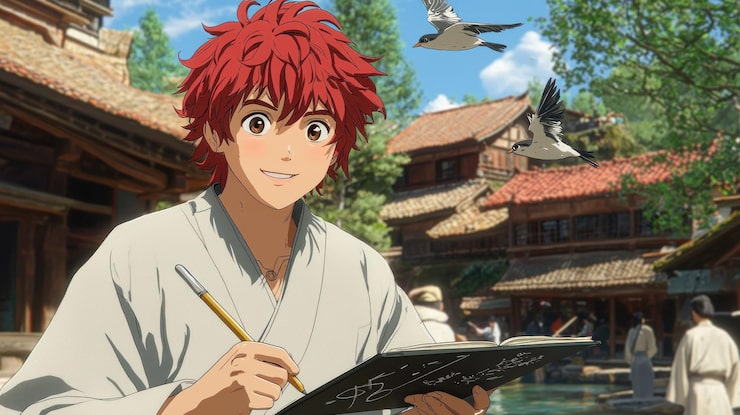
Manga Naruto changed the way many readers looked at shonen stories. Few series managed to combine intense battles, emotional scars, friendship and loneliness with such consistency. Naruto Uzumaki arrives in the story as a noisy child rejected by almost everyone in the village of Konoha. People fear him without explaining why. That silence becomes heavier than armor. It shapes his personality, his rage and his hunger for recognition.
The world created by Masashi Kishimoto feels alive because every character carries pain, ambition or regret. Naruto wants to become Hokage, the leader of the village, though almost nobody believes in him. Sasuke burns with revenge. Sakura struggles to find her own strength. Kakashi hides trauma behind a calm face. Even villains such as Pain or Obito are written with human emotions instead of empty cruelty.
The success of the Naruto manga also exploded outside Japan because readers connected with its themes. Loneliness, perseverance and identity exist in every culture. Fans who discover collectibles or rare editions through an anime store often reconnect with the same emotions they felt while reading the manga years earlier. Naruto is not only a ninja story. It is a long emotional road where every battle reveals something hidden inside the characters.
The ninja villages, secret clans and forbidden techniques create a world that feels like a storm constantly moving across mountains. Still, the emotional side remains the true heart of the manga. Every major arc pushes Naruto closer to understanding himself, his enemies and the cycle of hatred consuming the ninja world.
The origins of Naruto Uzumaki
Naruto Uzumaki begins his life carrying a burden nobody else in Konoha could understand. Inside his body lives Kurama, the Nine Tailed Fox responsible for the destruction of the village years earlier. The adults know the truth, though the children do not. Naruto grows up isolated, mocked and ignored. Small scenes from the early chapters reveal how deeply this rejection affects him.
His dream of becoming Hokage sounds ridiculous to many characters at the start. Naruto lacks discipline, struggles in school and behaves like a troublemaker. Beneath that loud attitude hides a desperate need to exist in the eyes of others. Kishimoto wrote him as someone who transforms emotional pain into stubborn determination.
The relationship between Naruto and Iruka becomes one of the first emotional pillars of the manga. Iruka sees himself in Naruto because he also lost family during the Nine Tails attack. That connection changes Naruto’s life forever. For the first time, somebody acknowledges him as a person instead of a monster.
Team 7 later introduces the core trio of the series. Naruto seeks recognition. Sasuke seeks revenge. Sakura seeks affection and growth. Kakashi watches over them while carrying his own emotional wounds. Their missions slowly expose the darker reality of the ninja world. Death, betrayal and manipulation exist everywhere behind the heroic image of shinobi life.
Many fans still collect Naruto figures because these characters feel deeply personal even years after finishing the manga. Naruto’s evolution from rejected child to respected leader remains one of the strongest character journeys in manga history.
The ninja world hides a darker reality
The Naruto universe looks exciting on the surface with its powerful techniques, ninja exams and legendary clans. The deeper readers go into the story, the darker the world becomes. Villages train children for war. Political alliances constantly shift. Entire clans disappear because of fear or manipulation.
The Chunin Exams arc reveals this brutal reality perfectly. Young ninjas compete in dangerous battles while adults observe like military strategists. Orochimaru attacks Konoha during the exams, showing how fragile peace really is. His obsession with immortality and forbidden knowledge introduces horror elements rarely seen in early shonen manga.
Sasuke’s emotional descent also starts becoming more visible during this period. He cannot accept Naruto growing stronger while his own hatred consumes him. The bond between Naruto and Sasuke slowly transforms into one of the central emotional conflicts of the series.
The tragedy of the Uchiha clan
The Uchiha clan massacre becomes one of the most important events in the manga. Sasuke believes his older brother Itachi murdered the entire clan out of cruelty and ambition. That trauma defines Sasuke’s life for years. He trains obsessively because revenge becomes the only thing keeping him alive emotionally.
The truth about Itachi completely changes the emotional weight of the story. Itachi sacrificed his reputation, his family and his future to prevent a civil war that could have destroyed Konoha. He accepted becoming a monster in the eyes of his younger brother in order to protect the village.
This revelation transformed Itachi into one of the most respected characters in manga culture. Readers discovered a man destroyed by impossible choices rather than pure evil. Kishimoto handled this twist carefully because it connected directly to the manga’s larger theme about hatred and sacrifice.
Why the Akatsuki changed the story
The Akatsuki organization elevated Naruto into something larger than a simple coming of age adventure. Each member carried a tragic past or ideological conflict linked to the failures of the ninja world. Pain lost faith in peace. Konan witnessed endless suffering. Obito fell into despair after losing Rin.
The Akatsuki members hunt the tailed beasts because they believe fear can force the world into peace. Their methods are horrific, though their motivations often come from trauma rather than madness. This complexity gave Naruto a more mature emotional tone compared to many other shonen series.
Pain’s attack on Konoha remains one of the defining moments of the manga. Naruto returns to the destroyed village and finally earns the respect he chased since childhood. The emotional contrast between the lonely child from the first chapters and the hero protecting everyone creates one of the strongest scenes in the entire story.
The bond between Naruto and Sasuke
Naruto and Sasuke represent two opposite responses to pain. Naruto seeks connection with others. Sasuke isolates himself deeper and deeper. Their rivalry drives most of the emotional tension across the manga.
Sasuke abandons Konoha because revenge matters more to him than friendship. Naruto refuses to give up on him even when everybody else considers Sasuke a criminal. That obsession sometimes frustrates readers, though it also reveals Naruto’s refusal to repeat the mistakes of previous generations.
Their battles are never simple physical fights. Every confrontation feels emotional. Naruto wants to save Sasuke from hatred. Sasuke wants to destroy the emotional bonds making him feel weak. Their first major clash at the Valley of the End remains legendary because it combines spectacular action with genuine emotional despair.
Kishimoto also uses these two characters to explore inherited trauma. Naruto carries loneliness from childhood. Sasuke carries the annihilation of his clan. Both suffer deeply, though they choose opposite paths to survive emotionally.
The final battle between them feels inevitable. Mountains collapse around them while years of anger, friendship and regret explode at once. That fight became iconic because readers understood the emotional history behind every punch and every jutsu.
How Naruto became a worldwide phenomenon?
The popularity of Naruto exploded because the manga balanced accessibility with emotional depth. Readers could enjoy exciting ninja battles while also connecting with universal themes such as loneliness, grief and perseverance.
The pacing of major arcs helped maintain constant excitement. The Land of Waves arc introduced emotional storytelling immediately. The Chunin Exams expanded the world rapidly. Naruto Shippuden increased the scale with wars, political conflicts and legendary enemies.
Character design also played a massive role in the manga’s success. Kakashi’s mysterious personality, Gaara’s transformation, Rock Lee’s determination and Itachi’s tragic aura created unforgettable impressions. Fans often found at least one character reflecting their own emotional struggles.
The anime adaptation pushed Naruto even further into global pop culture. Memorable openings, emotional music and iconic fight scenes introduced millions of people to the series. Some anime moments became cultural references far outside manga communities.
Another important factor comes from the emotional sincerity of the story. Naruto cries, fails, loses control and doubts himself repeatedly. He never feels untouchable. Readers watch him grow through suffering rather than effortless power. That honesty made him relatable despite the fantasy setting.
-
powerful emotional storytelling
-
iconic rivalries and battles
-
deep world building
-
memorable secondary characters
-
strong themes about loneliness
The legacy left by the Naruto manga
The legacy of Naruto remains enormous inside manga culture. Many modern shonen series borrowed elements popularized by Kishimoto, especially emotional rivalries, tragic villains and detailed power systems.
The manga also influenced how readers viewed antagonists. Villains in Naruto often reflect broken versions of the heroes themselves. Pain mirrors Naruto’s desire for peace twisted by suffering. Obito mirrors Naruto’s optimism destroyed by despair. This writing style encouraged more emotional complexity in later manga.
Boruto later continued the universe, though many readers still see the original Naruto story as the emotional core of the franchise. The journey from lonely child to Hokage delivered a satisfying emotional arc that resonated with several generations of fans.
Even years later, people continue revisiting the manga because its themes remain timeless. The desire to be accepted, the fear of losing loved ones and the struggle against hatred never disappear from human life. Naruto transformed those emotions into a story full of action, heartbreak and hope.
The final pages of the manga carry a strange emotional calm. Naruto finally gains the recognition he chased since childhood, though the path cost countless sacrifices. That bittersweet feeling explains why manga Naruto still holds such an important place in anime and manga history.