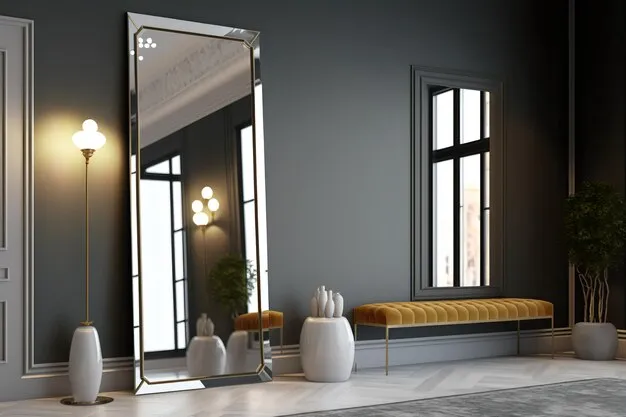
Mirrors can change the atmosphere of a room by reflecting light, creating visual depth, and adding decorative detail to otherwise plain walls. Their design, placement, and frame finish can influence how a space feels, whether the goal is to make a compact bedroom appear larger or give a living room a polished focal point. Exploring different floor and decor mirrors can help homeowners discover styles that complement furniture, lighting, wall colors, and interior themes without requiring extensive renovations.
Give Empty Walls a Purpose
Bare walls can make a room feel unfinished, particularly when furniture and decorative accessories are already in place. A thoughtfully positioned mirror can fill that visual gap while serving a practical purpose. Instead of adding another painting or decorative shelf, homeowners can use a mirror to introduce reflection and dimension.
Mirrors work particularly well in entryways, living rooms, bedrooms, and dining areas. A decorative mirror above a console table can create an inviting first impression, while a large mirror positioned beside a seating arrangement may help the room feel more spacious.
The design should complement the surrounding furniture. For example, a framed mirror above a wooden console can create a balanced arrangement when paired with a table lamp, vase, or small decorative object. In rooms with minimal furnishings, an oversized mirror may provide enough visual interest on its own.
Choose Mirror Shapes That Suit Your Interior
Mirror shapes can influence the overall character of a room. Straight lines and geometric designs often complement contemporary furniture, while curved silhouettes may soften interiors with angular furnishings.
Popular mirror shapes to consider include:
-
Rectangular mirrors: Suitable for entryways, bedrooms, dining rooms, and living spaces where a structured appearance works well.
-
Round mirrors: Add softness to interiors featuring square furniture, straight-lined cabinetry, or angular decorative elements.
-
Oval mirrors: Offer an elegant silhouette that works well in traditional, transitional, and contemporary rooms.
-
Arched mirrors: Introduce architectural character and can make wall arrangements feel more distinctive.
-
Irregular mirrors: Provide an artistic appearance that suits creative interiors and decorative accent walls.
The shape should relate to the proportions of the wall and furniture beneath it. A small round mirror above a narrow console may feel balanced, while a large rectangular mirror can suit a wider wall or substantial furniture piece.
Use Mirrors to Make Smaller Rooms Feel Spacious
Mirrors can create the impression of additional space by reflecting visible areas of a room. This can be particularly useful in apartments, compact bedrooms, narrow hallways, and smaller living rooms where natural light or open space may be limited.
Positioning a mirror across from a window can reflect daylight and outdoor views. Placing one along a narrow hallway may also help the corridor feel less enclosed. In smaller living rooms, a larger wall mirror can visually extend the space by reflecting furniture and surrounding details.
Several placement ideas can help achieve this effect:
-
Position mirrors near windows to reflect natural light.
-
Use tall mirrors in narrow rooms to create a sense of vertical space.
-
Place mirrors behind decorative lighting to reflect illumination.
-
Avoid reflecting cluttered shelves or crowded furniture arrangements.
-
Select mirror dimensions that complement the wall rather than overwhelm it.
The reflected view matters just as much as the mirror itself. A pleasant view, carefully arranged furniture, or attractive lighting can make the reflection feel like an intentional part of the interior design.
Frame Finishes That Complement Furniture and Décor
A mirror frame can influence whether the design feels understated, decorative, rustic, or contemporary. Matching every finish in a room is unnecessary, but creating a connection between the mirror and existing furnishings can help the interior feel cohesive.
Wooden frames suit natural textures, neutral walls, and warm furniture finishes. Black frames can complement industrial interiors or modern spaces with darker accents. Gold, brass, and metallic finishes may work well in rooms featuring elegant lighting fixtures or decorative furniture.
Luxurious Glass offers inspiration for homeowners exploring glass elements that combine decorative appeal with practical design considerations. Selecting a mirror that complements the room’s existing finishes can help maintain a consistent interior style without making the space overly coordinated.
For a more interesting arrangement, homeowners can mix materials thoughtfully. A black-framed mirror beside wooden furniture, for instance, can create contrast while maintaining a balanced appearance through complementary colors or textures.
Make Mirror Placement Part of the Furniture Arrangement
Mirrors should be positioned with the surrounding furniture and room layout in mind. Hanging a mirror at the wrong height or placing it in an awkward location can reduce its decorative and practical value.
In living rooms, mirrors may work above consoles, fireplaces, or sideboards. In bedrooms, they can be positioned near dressing areas or wardrobes. Entryway mirrors are often placed above narrow tables or on walls where visitors can conveniently check their appearance.
Before installation, consider these details:
-
Measure the wall and surrounding furniture to determine suitable mirror dimensions.
-
Check the reflected view before fixing the mirror in place.
-
Keep sufficient space between the mirror and nearby decorative objects.
-
Use mounting hardware appropriate for the wall material and mirror weight.
-
Avoid locations where direct sunlight creates distracting glare.
A mirror should feel connected to the room’s layout rather than appear as an isolated decorative addition.
Combine Mirrors With Lighting for a Better Visual Effect
Lighting can change how a mirror looks throughout the day. Natural daylight may brighten the reflection during the morning, while lamps and wall sconces can create a warmer atmosphere in the evening.
Mirrors positioned near lamps can help distribute light across a room. In dining areas, a mirror reflecting a chandelier or pendant light may create an attractive focal point. Bedrooms can benefit from mirrors placed near softly illuminated dressing areas.
Homeowners can experiment with different combinations of lighting and mirrors while keeping glare and reflection angles in mind. Balanced lighting helps create a comfortable atmosphere and makes the mirror more practical for everyday use.
Maintain the Mirror’s Appearance Over Time
Regular cleaning helps preserve the clarity of mirror glass and the appearance of decorative frames. Dust, fingerprints, and water marks can accumulate, particularly in frequently used spaces.
A microfiber cloth and suitable glass cleaner are generally sufficient for routine cleaning. Avoid abrasive materials that may scratch the glass or damage the frame. Excessive moisture should also be avoided around mirror edges, especially when the frame or backing is sensitive to water.
A carefully selected mirror can add character to a home while improving light distribution and the visual balance of a room. Homeowners can contact us to explore mirror designs that complement their furniture, wall finishes, and interior preferences. Choosing a mirror that suits the space can make everyday interiors feel more considered, comfortable, and visually appealing.