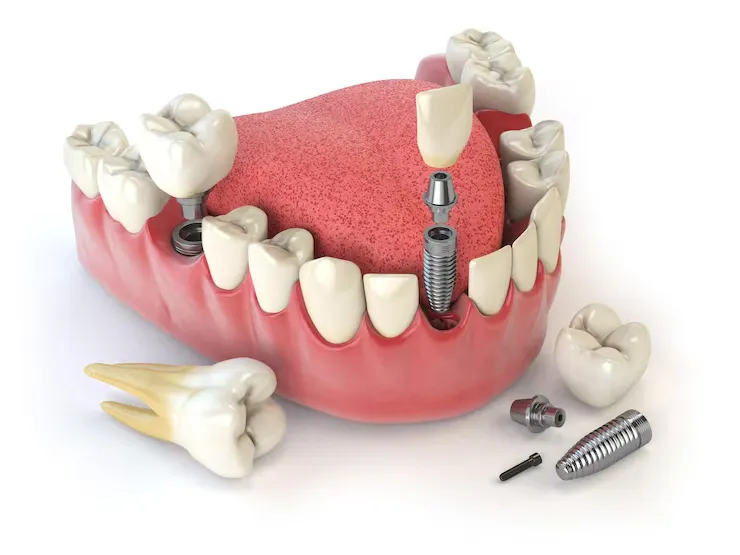
A dental implant must bond with the surrounding jawbone to provide stable support for a replacement tooth. This biological process, called osseointegration, can fail if the bone does not heal properly around the implant. Infection, smoking, uncontrolled diabetes, insufficient bone support, and excessive pressure during healing can all contribute to implant failure. The implant may become loose, cause discomfort, or require removal before another placement can be considered.
Patients researching dental implants Tysons Corner should understand that an implant failure does not always mean permanent tooth loss or the end of treatment. A periodontist can assess the implant, identify the underlying problem, and determine if bone grafting or replacement is appropriate. At G4 Dental Implants, understanding the healing process and recognizing complications are important parts of maintaining long-term implant health.
What Does It Mean When a Dental Implant Fails to Integrate?
Dental implant integration occurs when living bone tissue grows around the implant surface and forms a stable connection. Most implants are made from biocompatible titanium, which allows the surrounding bone to attach to the implant through osseointegration.
When integration does not occur, the implant lacks the bone support needed to withstand normal biting and chewing forces. Instead of becoming firmly anchored, it may remain mobile or develop discomfort during function.
An implant that has not integrated successfully cannot provide reliable support for a dental crown. Continuing to place pressure on an unstable implant can damage the surrounding tissues and complicate future treatment.
Implant failure can occur at different stages:
● Early failure: The implant does not establish a stable connection with the jawbone during initial healing.
● Late failure: An implant that previously integrated successfully begins losing its bone support because of infection, excessive loading, or other complications.
Identifying the stage of failure helps the dental professional determine the appropriate treatment.
Warning Signs That an Implant May Not Be Healing Properly
An implant that fails to integrate may not cause obvious discomfort immediately. Some patients notice changes in the surrounding gums, while others experience movement or pain when chewing. Regular dental examinations can help identify problems before significant bone damage develops.
Watch for these warning signs:
● Implant movement: The implant itself feels loose or shifts when touched. This can indicate a lack of bone attachment or loss of previously established support.
● Persistent pain or tenderness: Discomfort that continues or returns after the initial healing period may indicate inflammation, infection, or another complication.
● Swollen or bleeding gums: Redness, tenderness, and bleeding around the implant can indicate peri-implant mucositis or a more advanced infection.
● Pus or unusual discharge: Discharge around the implant may indicate an active infection that requires professional evaluation.
● Persistent bad taste or breath: An unpleasant taste or odor can accompany bacterial buildup and inflammation around the implant.
● Changes during chewing: Pain when biting or an unusual feeling of pressure may indicate instability or excessive loading.
A loose implant requires prompt dental attention. However, movement of the crown does not always mean the implant itself has failed. A loose crown or abutment screw can produce similar symptoms. A dental examination and appropriate imaging help identify the actual problem. The U.S. Food and Drug Administration also advises patients to report implant looseness or pain to their dental provider promptly.
FDA+1
Why Does an Implant Fail to Bond With the Jawbone?
Successful osseointegration depends on several factors, including bone quality, surgical placement, healing conditions, and oral health. A problem affecting any of these areas can interfere with the connection between the implant and the jawbone.
Some common causes include:
1. Smoking and tobacco use
Smoking restricts blood flow and interferes with the body’s normal healing response. Reduced blood supply can affect the tissues surrounding an implant and increase the risk of infection and bone-related complications.
2. Uncontrolled diabetes
Poorly controlled blood sugar can interfere with wound healing and the body’s ability to fight infection. Patients with diabetes should discuss their blood sugar management with their healthcare provider and implant specialist before treatment.
3. Bacterial infection
Bacteria around an implant can cause inflammation in the surrounding gum tissue. If the infection reaches the supporting bone, it may develop into peri-implantitis, a condition associated with progressive bone loss and implant instability.
4. Insufficient bone support
An implant needs adequate bone volume and quality to remain stable. Patients who have experienced significant jawbone loss may not have enough supporting tissue for predictable implant placement without additional treatment.
5. Excessive pressure during healing
An implant that experiences too much biting force before stable integration can become disturbed. Clenching, grinding, an unsuitable bite, or premature loading may place unnecessary pressure on the healing site.
6. Inadequate oral hygiene and periodontal disease
Plaque accumulation around an implant can cause gum inflammation and damage the supporting tissues. A history of periodontal disease can also increase the risk of developing peri-implant complications.
These factors do not guarantee implant failure, but they can increase the likelihood of complications. A patient’s medical history, medication use, oral health, and lifestyle should all be considered during treatment planning.
PubMed Central (PMC)+2
What Happens During an Evaluation of a Failed Implant?
A dental professional must determine if the implant has failed to integrate or if another issue is affecting its stability. Removing an implant without a proper assessment can result in unnecessary treatment.
An evaluation generally involves examining the implant and surrounding tissues, reviewing symptoms, and taking dental images.
The examination may include:
● Clinical assessment: The dentist checks implant stability, gum condition, tenderness, bleeding, and signs of infection.
● Dental imaging: X-rays or other appropriate imaging help assess bone levels, implant positioning, and changes around the implant.
● Bite assessment: The dentist evaluates how the upper and lower teeth meet to identify excessive pressure or uneven loading.
● Medical history review: Existing health conditions, medications, smoking habits, and previous periodontal problems are considered.
The findings help establish the extent of bone loss and determine if the implant can be retained or needs removal. Sometimes, a loose restoration rather than the implant body is responsible for the symptoms.
Can a Failed Dental Implant Be Replaced?
Yes. Many patients can receive another implant after a failed implant has been removed and the surrounding tissues have been evaluated. However, replacement depends on the cause of failure, the amount of remaining jawbone, the condition of the gums, and the patient’s overall health.
The first step is to address the problem that caused the failure. If infection is present, the affected area must be treated. If excessive biting pressure contributed to the problem, the bite and restoration design may need adjustment.
An implant that has lost its bone attachment may need to be removed to prevent further damage to the surrounding tissues. The dental professional then evaluates the site to determine the next treatment steps.
Replacement planning may involve:
1. Removing the failed implant when necessary.
2. Cleaning the affected area and treating infection or inflammation.
3. Assessing the remaining bone and gum tissue.
4. Determining if additional bone reconstruction is needed.
5. Planning another implant after the site is suitable for placement.
In selected cases, a replacement implant may be placed during the same surgical procedure. In other situations, the site needs additional treatment and healing before another implant can be considered. The decision depends on the clinical findings rather than a standard approach for every patient.
PubMed Central (PMC)+1
When Is Bone Grafting Needed Before Implant Replacement?
Bone grafting may be necessary if the failed implant has left insufficient jawbone to support another implant. Infection-related bone loss can change the shape and volume of the implant site, making direct replacement difficult.
A bone graft procedure adds grafting material to the affected area to support new bone formation. Depending on the patient’s condition, the material may come from the patient’s own bone, a donor source, an animal-derived source, or a synthetic material.
The main objectives of bone grafting include:
● Restoring lost bone volume: Rebuilding areas where infection or implant failure has reduced the available bone.
● Improving implant support: Creating a suitable foundation for another implant.
● Protecting surrounding structures: Supporting the bone contours needed for proper implant positioning and long-term stability.
The amount of bone loss determines the type of grafting procedure required. Some patients may need guided bone regeneration, which uses a barrier membrane to help protect the grafted area and support bone growth.
Not every failed implant requires bone grafting. If enough healthy bone remains, another implant may be possible without additional reconstruction. A periodontist can assess the site and recommend an appropriate treatment plan.
At G4 Dental Implants, evaluating the condition of the jawbone and surrounding tissues is an important consideration when planning implant treatment and addressing complications.
Protecting Your Next Dental Implant From Failure
Previous implant failure does not automatically mean another implant will fail. However, addressing the original risk factors is necessary before considering replacement.
Patients can support better implant health by following these practices:
● Stop smoking or using tobacco products, particularly during implant healing.
● Maintain good oral hygiene with appropriate brushing and interdental cleaning.
● Keep diabetes under medical control and share relevant health information with the dental team.
● Treat existing gum disease before undergoing implant treatment.
● Attend recommended dental examinations to monitor the implant and surrounding bone.
● Report unusual discomfort, swelling, bleeding, or implant movement promptly.
Nighttime teeth grinding should also be discussed with the dentist. A protective night guard may be recommended if excessive biting forces threaten the implant or its restoration.
Restoring Your Oral Health After Implant Failure
An implant that does not integrate with the jawbone needs professional attention, but failure does not always end the possibility of successful implant treatment. Identifying the cause, treating infection, and assessing the remaining bone are essential steps before planning another procedure.
If you have concerns about implant healing or need an assessment after implant failure, contact us at G4 Dental Implants to discuss your oral health and available treatment options. A proper clinical evaluation can help determine the next steps toward restoring stability, function, and a healthy smile.
Ignoring implant movement, persistent swelling, or discomfort can allow damage to the surrounding bone and gum tissue to progress. Patients experiencing these symptoms should arrange an evaluation rather than waiting for the implant to become more unstable.