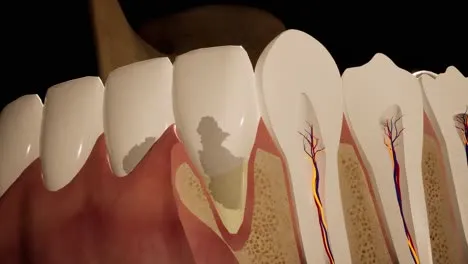
Healthy gums and strong jawbone provide the support teeth need to remain stable. Gum disease, infection, and advanced periodontal damage can destroy these supporting structures, sometimes leading to gum recession, loose teeth, and changes in the jawbone. Periodontists rebuild damaged areas using specialized grafting materials, protective membranes, and regenerative techniques that encourage the body to repair lost tissue. This process, known as gum bone regeneration, focuses on restoring the natural support surrounding teeth rather than simply covering visible damage. Cape Cod Perio helps patients understand these treatments and the role they play in maintaining long-term periodontal health.
Why Gum and Bone Tissue Loss Occurs
Gum and bone tissue loss often develops as a result of untreated periodontal disease. Bacterial plaque accumulates around the gumline, causing inflammation. As the infection progresses, it can damage the connective tissues and bone that hold teeth in place.
Healthy gum tissue forms a protective seal around each tooth, while the underlying alveolar bone provides structural support. Damage to either structure can affect the stability of the teeth and the appearance of the smile.
Several factors contribute to periodontal tissue loss:
● Advanced gum disease: Persistent bacterial infection can destroy the bone and connective tissue surrounding teeth.
● Gum recession: Receding gums expose tooth roots and may indicate underlying tissue damage.
● Tooth extraction: Bone in an area where a tooth is missing can gradually lose volume because it no longer receives normal stimulation from chewing.
● Dental trauma: Injuries can damage the supporting bone and surrounding soft tissues.
● Poor oral hygiene: Plaque accumulation increases inflammation and creates conditions that allow periodontal disease to progress.
Identifying the source of tissue loss is essential before regenerative treatment begins. Treating an active infection and controlling contributing factors help create healthier conditions for tissue repair.
How Periodontists Evaluate Damaged Gum and Bone
Regenerative treatment begins with a detailed periodontal examination. A periodontist needs to understand how much tissue has been lost, where the damage is located, and whether the remaining structures can support regeneration.
The examination generally includes measuring periodontal pockets, checking gum attachment, assessing tooth mobility, and reviewing signs of inflammation. Dental X-rays help reveal changes in the bone surrounding tooth roots. In selected cases, three-dimensional imaging provides additional information about bone thickness, defects, and nearby anatomical structures.
The shape of the bone defect also influences treatment planning. A contained defect with several remaining bone walls may provide a more favorable environment for regeneration than a broad area with significant structural loss.
Before recommending a procedure, the periodontist also considers:
● The patient’s overall periodontal health.
● The condition and stability of nearby teeth.
● Smoking habits and other factors that affect healing.
● The presence of active infection or uncontrolled inflammation.
● The amount and type of tissue needed for reconstruction.
This assessment helps determine which regenerative materials and surgical techniques are appropriate for the affected area.
Bone Grafting Rebuilds Lost Jawbone Support
Bone grafting is a commonly used technique to restore areas affected by periodontal bone loss. During the procedure, a periodontist places grafting material into a damaged area to provide a framework for new bone formation.
The graft material acts as a supportive structure that encourages the body’s natural healing response. Depending on the material and clinical situation, it may gradually be replaced by the patient’s own bone or become incorporated into the surrounding tissue.
Periodontists use several types of bone grafting materials:
Autografts
An autograft uses bone taken from another location in the patient’s own body. Because the material comes from the same individual, it contains natural biological components that support bone formation. However, obtaining it requires an additional surgical site.
Allografts
Allografts use donated human bone that has undergone processing and preparation for medical use. These materials provide a framework for new bone development without requiring bone removal from another area of the patient’s body.
Xenografts
Xenografts are derived from animal sources, commonly bovine bone, and are processed for clinical use. Their mineral structure can provide a framework that supports new bone growth.
Synthetic Grafts
Synthetic grafts are manufactured from biocompatible materials, including certain calcium-based compounds. They provide an alternative to human or animal-derived graft materials and can support bone formation in suitable cases.
The choice of graft depends on the defect, treatment goals, and the patient’s periodontal condition. Bone grafting can also prepare an area for future dental implant placement when sufficient natural bone support is needed.
Regenerative Membranes Protect the Healing Area
Bone grafting materials provide structural support, but successful regeneration also depends on controlling which cells enter the treated area.
This is where guided tissue regeneration (GTR) becomes useful. During this procedure, the periodontist places a special membrane over the bone defect, creating a protected space where slower-growing periodontal cells can develop.
Gum tissue cells generally grow faster than bone-forming and periodontal ligament cells. Without protection, soft tissue may occupy the defect before the supporting structures have an opportunity to regenerate.
A regenerative membrane helps prevent unwanted soft tissue from entering the healing space too early.
Two main membrane types are used:
Resorbable membranes: These are made from materials that gradually break down inside the body. They do not usually require a separate removal procedure.
Non-resorbable membranes: These remain in place until the periodontist removes them. They provide controlled space maintenance but require additional clinical management.
Membrane selection depends on the location, size, and shape of the defect, along with the overall treatment plan.
Biological Materials Encourage Natural Tissue Repair
In addition to grafts and membranes, periodontists may use biological regenerative materials to support the body’s healing processes.
One example is enamel matrix derivative, a biologically active material applied to selected root surfaces during periodontal surgery. It helps support the development of periodontal structures, including cementum, periodontal ligament, and supporting bone.
Other regenerative approaches may involve growth factors, which are proteins that influence cell activity and tissue development. Certain products containing platelet-derived growth factors are used in carefully selected periodontal and bone regeneration procedures.
These materials do not simply fill an empty space. They help create biological conditions that encourage the formation of healthy supporting tissues.
However, not every material works for every type of periodontal defect. The periodontist selects regenerative products according to the condition being treated and the evidence supporting their use.
Can Lost Gum Tissue Grow Back?
Gum tissue does not usually grow back on its own after significant recession. However, periodontal plastic surgery can restore coverage in selected areas.
A connective tissue graft is a common technique used to treat exposed tooth roots. The periodontist takes a small amount of tissue, often from the roof of the mouth, and positions it over the affected area. The graft helps increase gum thickness and improve root coverage.
Other soft tissue grafting techniques may use donor tissue instead of tissue collected from the patient’s palate.
Dental gum regeneration procedures can help address:
● Exposed tooth roots caused by gum recession.
● Thin gum tissue around natural teeth.
● Areas where additional gum thickness is needed.
● Localized tissue defects affecting appearance or comfort.
Although soft tissue grafting can improve gum coverage, it does not automatically rebuild lost jawbone. Bone and gum regeneration address different structures, so treatment must match the specific type of tissue damage.
What Happens During Regenerative Periodontal Treatment?
Periodontal regeneration requires careful surgical planning and attention to the condition of the surrounding tissues. The procedure generally follows a structured clinical process.
1. Site preparation: The periodontist accesses the affected area and removes bacterial deposits, diseased tissue, and other sources of inflammation.
2. Root surface cleaning: The exposed root surfaces are thoroughly cleaned to create a suitable environment for tissue attachment.
3. Graft placement: Selected bone grafting material is positioned within the damaged area when bone reconstruction is required.
4. Membrane or biological material application: A protective membrane or regenerative product may be placed according to the treatment plan.
5. Tissue closure: The gum tissue is carefully repositioned and secured to protect the treated site during healing.
Patients receive specific aftercare instructions to protect the surgical area. Good plaque control, appropriate follow-up visits, and professional periodontal maintenance help preserve the results.
Factors That Influence Regeneration Success
Regenerative procedures can improve periodontal support, but the outcome depends on several biological and clinical factors. The condition of the remaining bone, the shape of the defect, and the patient’s overall health all influence the body’s ability to rebuild tissue.
Patients also contribute to successful healing through consistent oral care and professional monitoring.
Key considerations include:
● Infection control: Active periodontal disease must be addressed to prevent continued tissue destruction.
● Smoking cessation: Tobacco use can interfere with blood circulation and normal tissue healing.
● Oral hygiene: Gentle, consistent plaque control helps protect the treated area from bacterial buildup.
● Systemic health: Certain medical conditions and medications can influence healing and should be discussed with the periodontist.
● Maintenance care: Regular periodontal evaluations help identify inflammation and prevent further damage.
Patients researching bone tissue regeneration Cape Cod should seek an evaluation from a periodontal professional who can assess their specific bone and gum condition. Cape Cod Perio emphasizes the importance of individualized periodontal care based on the patient’s clinical needs.
Restoring the Foundation of a Healthy Smile
Lost gum and bone tissue can affect tooth stability, oral function, and the appearance of a smile. Periodontal regenerative treatments give suitable patients an opportunity to rebuild some of the structures damaged by gum disease and other conditions.
Bone grafts provide a framework for new bone development, membranes protect the regenerative area, and biological materials encourage natural tissue repair. Soft tissue grafting can also improve gum coverage where recession has exposed tooth roots. However, the amount of regeneration varies according to the defect, healing response, and overall periodontal health.
For guidance on regenerate bone around teeth and other periodontal treatment options, contact us at Cape Cod Perio. A professional assessment can help determine the condition of your gums and jawbone and identify suitable ways to protect your natural teeth and support lasting oral health.
Patients should not ignore bleeding gums, persistent inflammation, gum recession, or loose teeth, as these signs may indicate damage to the supporting structures. A periodontal evaluation can identify the underlying problem and establish an appropriate treatment plan.